
Date : 07/01/2020
This was an article which we read and discussed in last class. So here I tried to summarize it on the basis of how much I understood. This article definitely gave a clear perspective of what we are trying to achieve and learn. It also provided a lot of basic information of light as well as how materials and colours are a part of this circle.
LIGHT AND MATERIALS
by Marietta Millet
Light and Materials are inseparably connected to each other, indeed they actually determine each other; neither of them is visible to the human eye until the two of them come together.
The article started off with some bold and inevitable statements related to light and the surface implying that none of them exists individually, they are always interconnected and dependent on each other. Most of us feel that materials or colours, they lead the way or act as a protagonist, maybe a starting point of designing a space. But the writer claimed that there have been some great architects who have let themselves be conducted by light in order to choose a material for their work. Light has been acting as a bridge between the human eye and the surface which is meant to interact. Since they both rely on each other both of them are equally important to perceive a space. There were many important aspects which I got to read about the behaviour of light within a space. For example, Materials are a key to understanding light in architecture because they directly affect the quality and quantity of light. The other basic and primary key points are as follows,
- The space can be affected with different use of materials which changes in a way the room is illuminated.
- In order to illuminate the room, it can be painted white (which is like a basic remedy and at the same time is cost effective). Simultaneously, a dark room can be achieved by using dark colours and with average use of light.
- A space with white surfaces can look well illuminated with proper light sources and it can also look well lit during the day with minimal use of light. But a dark room looks dark during the day as well as the night
An emphasis on materials is grounded on the interaction between light and materials. Highlights arise from glossy materials reflecting discrete points from light. Definition of surface texture comes from Grazing light.
Grazing lights are basically directional lights which are fixed at a certain angle (most of the time it is an acute angle) used to revelate the inner qualities or structure of the materials when light passes through them.
The start of the article was filled with basic information about light and its primary use. Further on she has talked a upon a lot of examples where light acts as a communicator to perceive a space relating to the materials where both of them play their own parts.
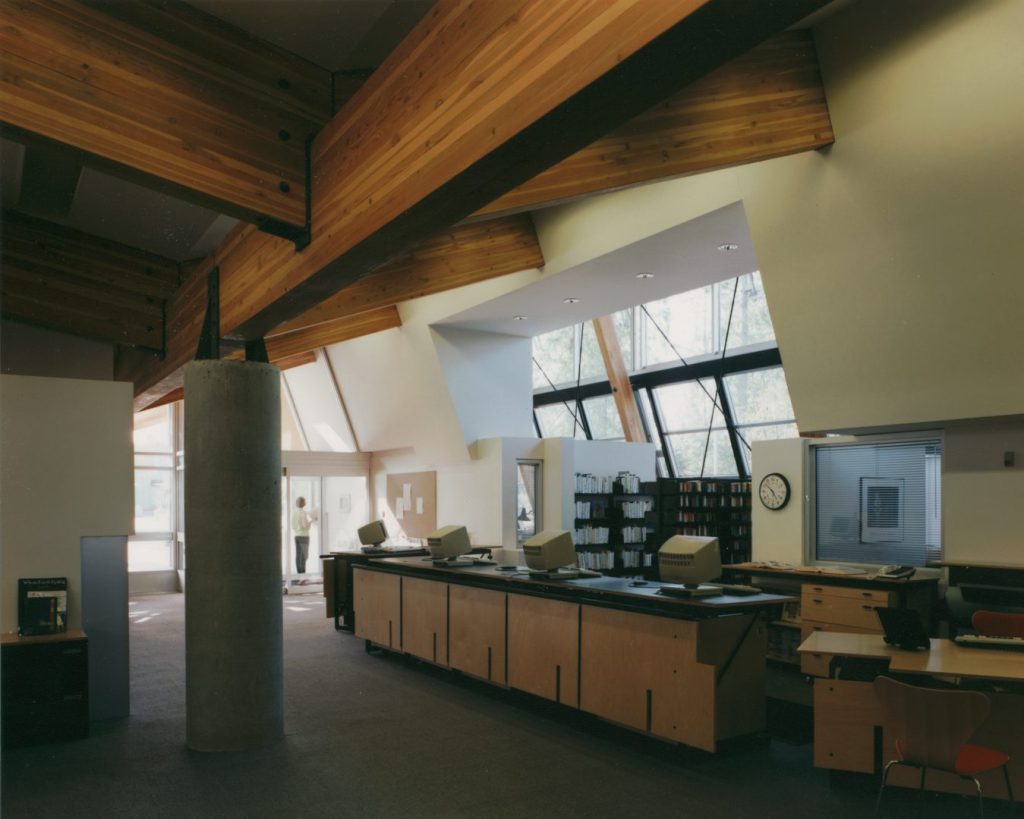
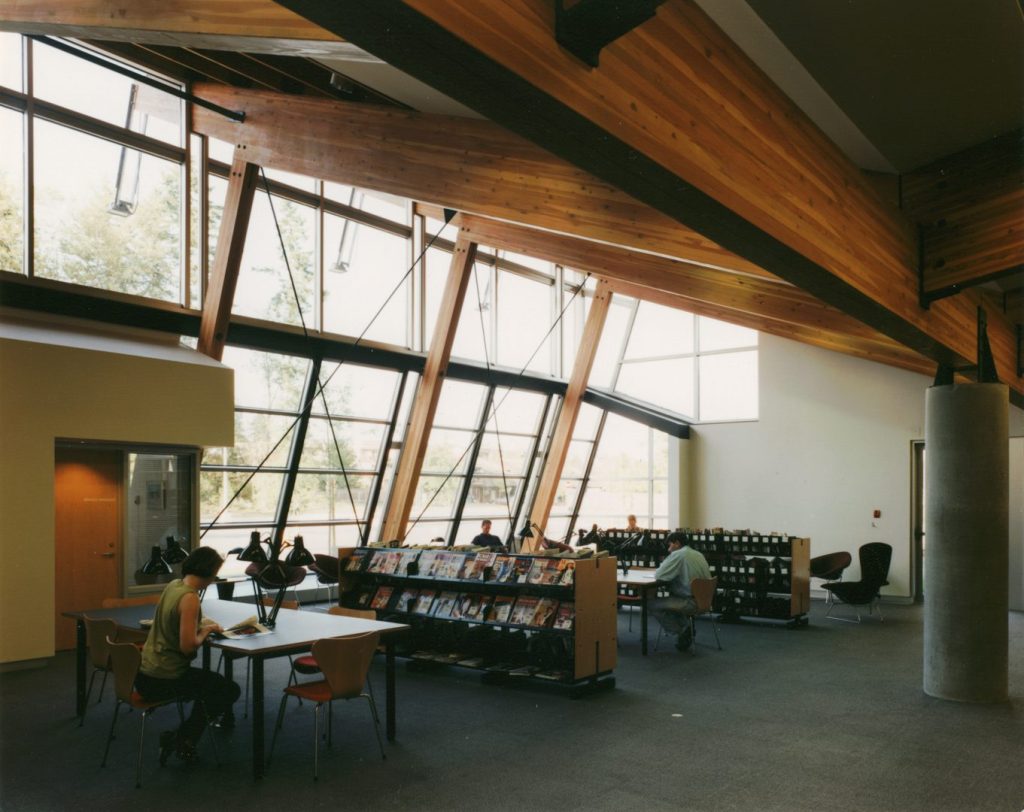
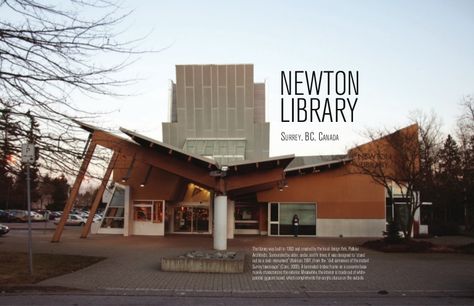
- Newton Library, Surrey (1990) by Pakau Architects, where materials directs Light.
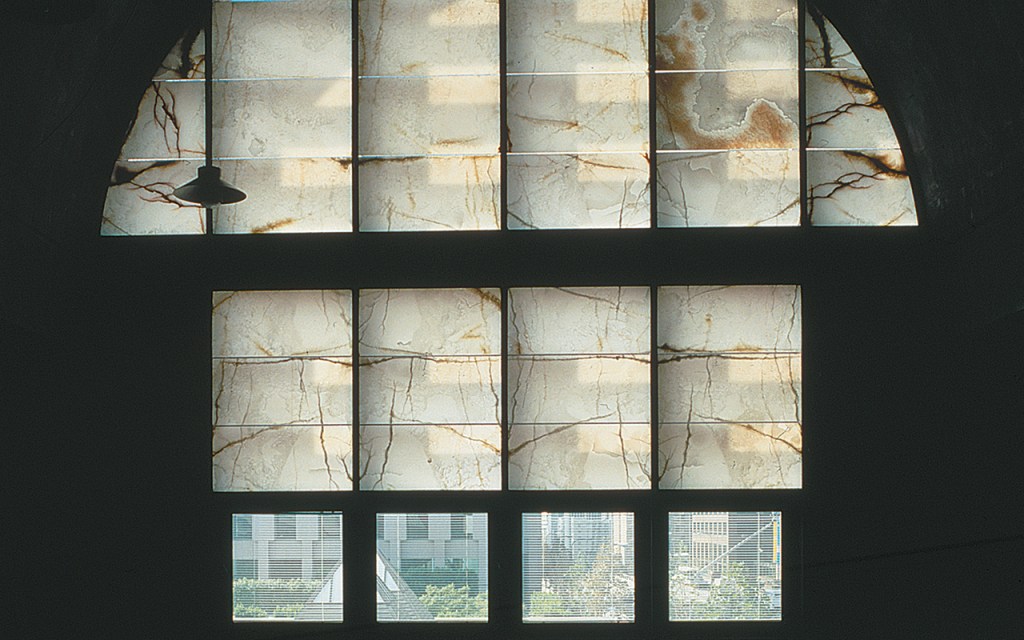
- Museum of Contemporary Art, Los Angeles (1981 – 86) by Arata Isozaski where light refines materials. She gives an example of the use of onyx fitted in the arched windows instead of the glass and explains the what was her thought behind doing so i.e. by changing the material.
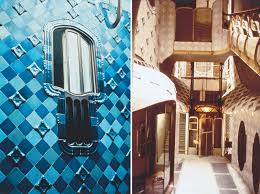
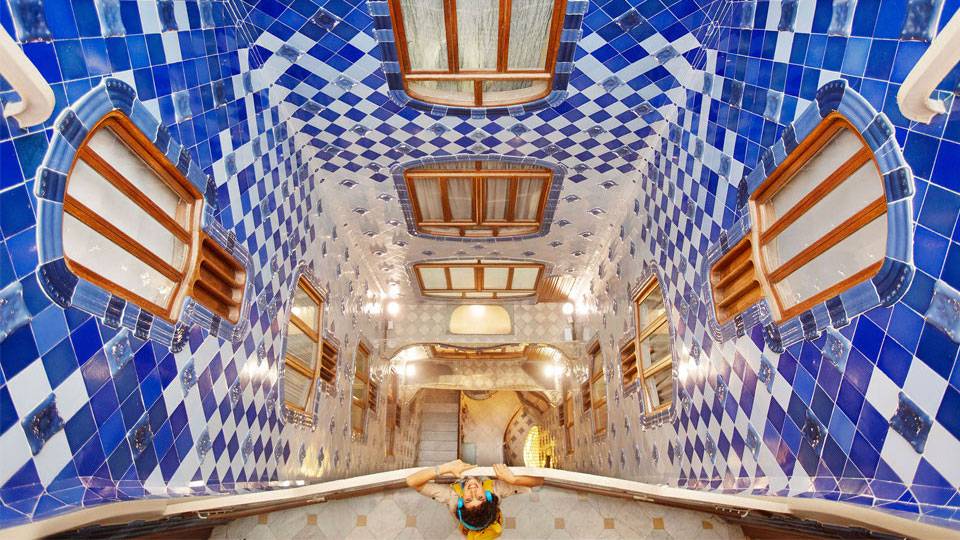
- Casa Batllo , Barcelona (1904) by Antoni Gaudi where materials divide the rooms into different zones.
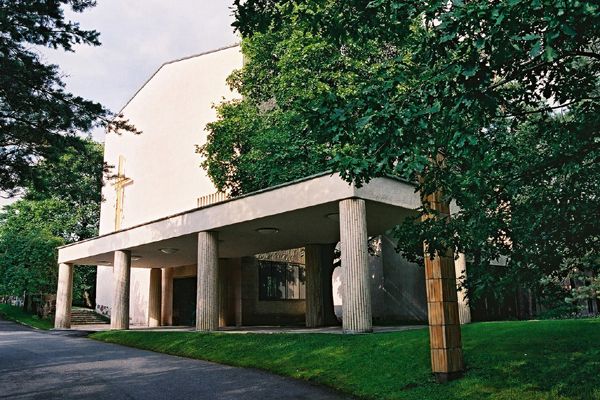
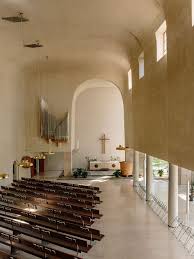
- Resurrection Chapel, Turku (1939 – 41) by Erik Bryggman where materials change the moods during the day, evenings and nights.
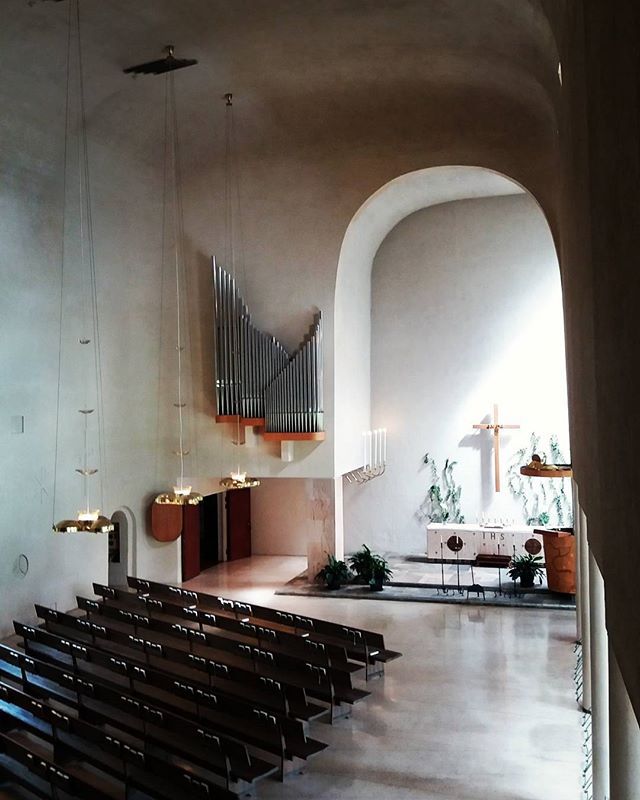
- Lights in St. Henry’s Church, Turku (1980) by Pitkanen,Leiho and Raunio where light changes the material itself.
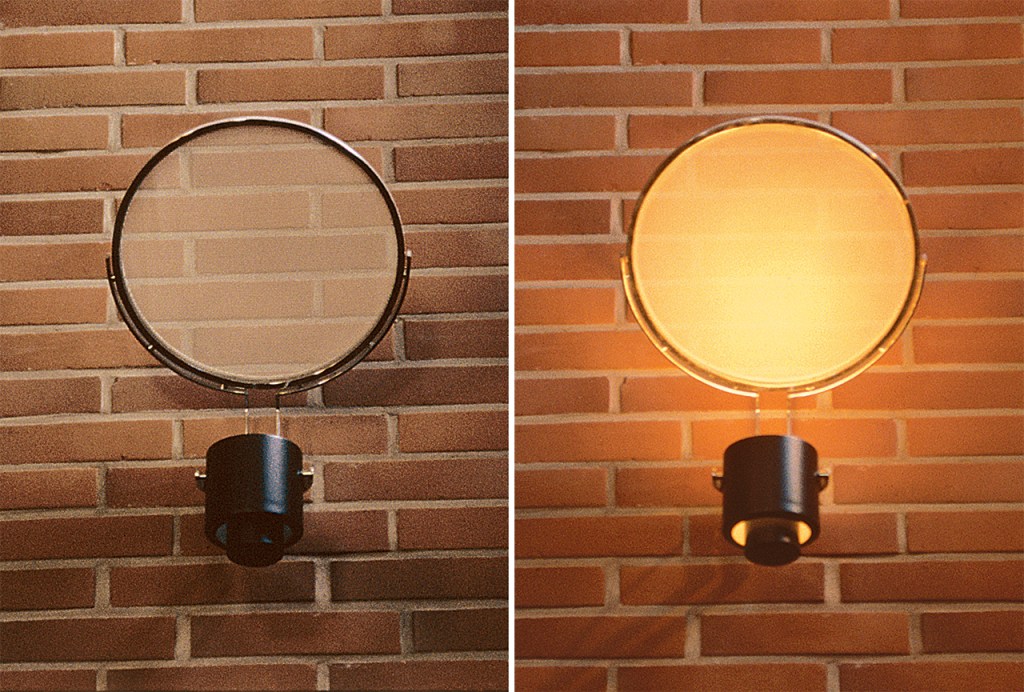
- A new area of exploration was where light could mute the materials which was explained by saying that Materials can also be chosen to mute the effects of light, to make dissimilar materials appear similar, or to make light seem unchanging. Examples of these types are given which are:
- Junichiro Tanizaki in his book ‘In Praise of Shadows’ in which he discusses the references of Japanese people of soft and shadows, broken light with explaining the interior of a Japanese house.
- Isabella Stewart Garderner Museum, Boston (1899 – 1901) by William T Sears where light creates an affinity with a place.
- Nijima Floats (1992) by Dale Chilhuly where materials transform light, which is an installation in the Seattle Art Museum.
- Kimbell art Museum, Fort Worth (1966 – 72) by Louis Kahn where light modulates material contrasts.
In this article she has explored many examples of the coexistence of light and its surfaces and materials concluding that light itself can be a material which can clearly be seen after going through these examples how vividly lights have been used in every space, an object or an installation.
The link to the article:
LIGHT AND MATERIALS
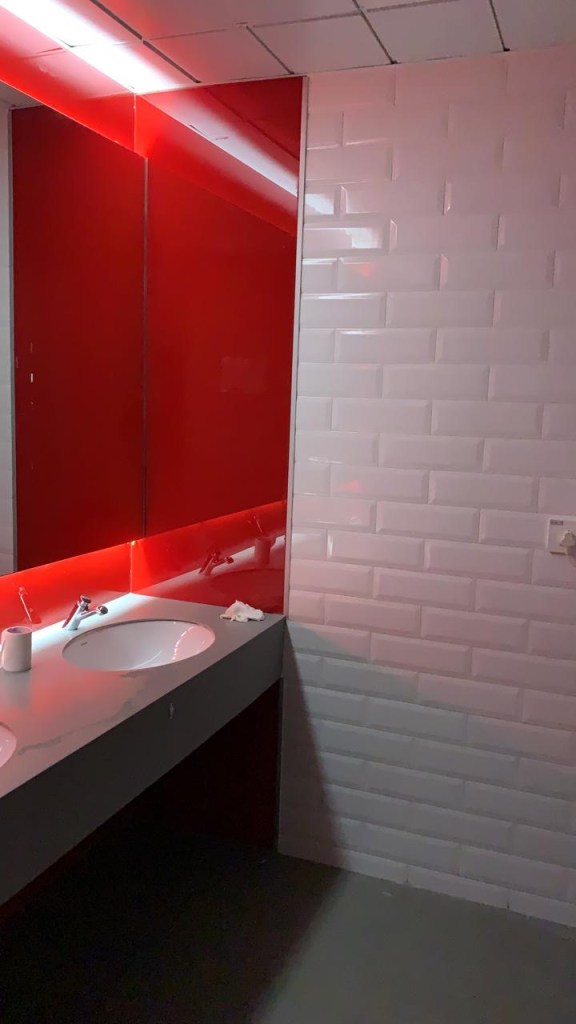
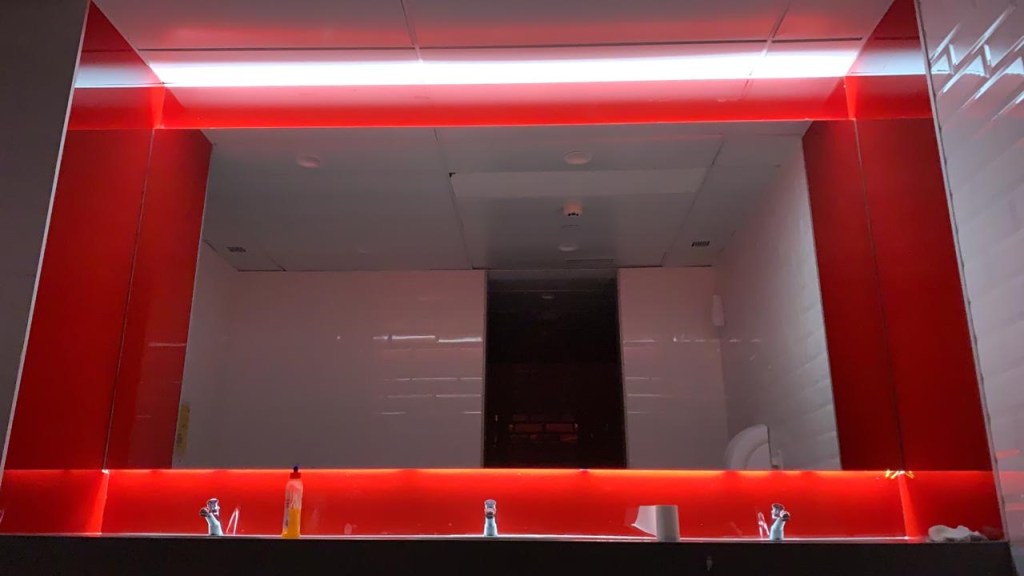
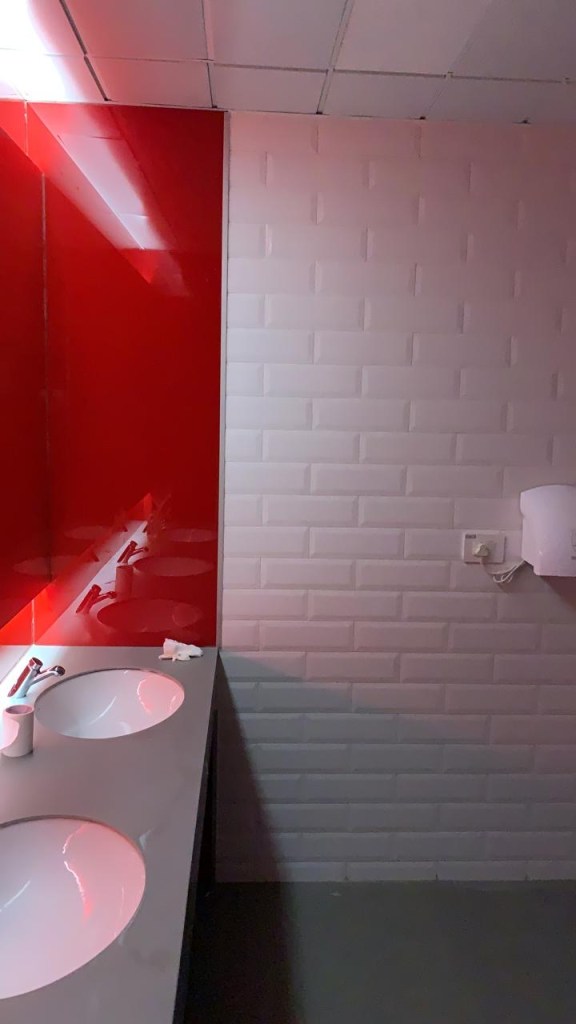
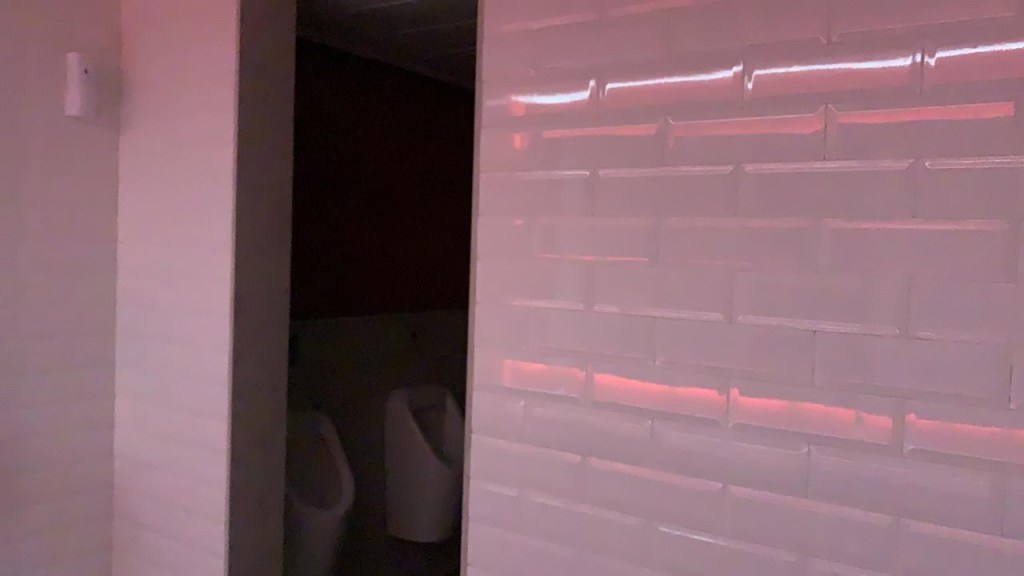
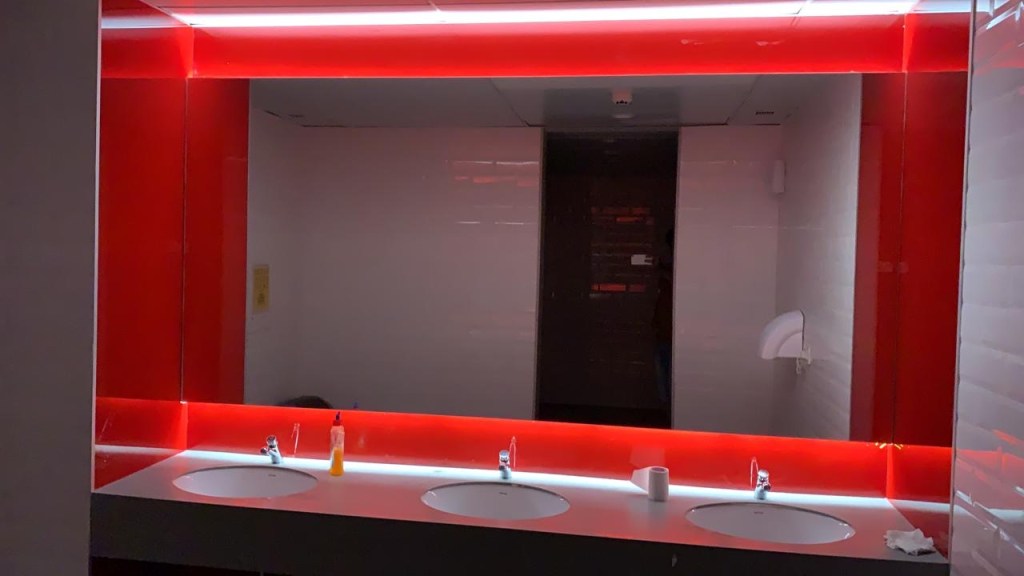
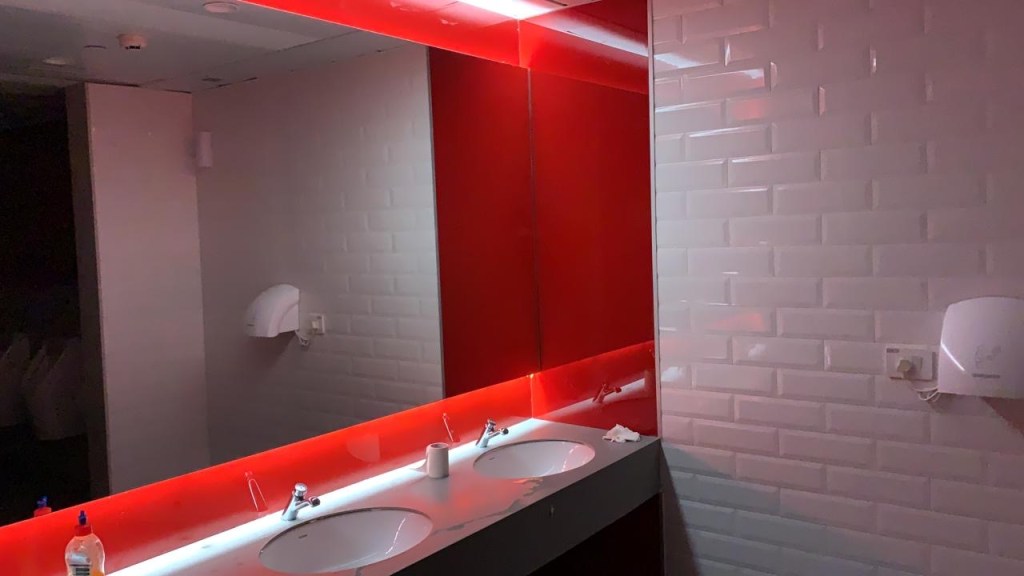
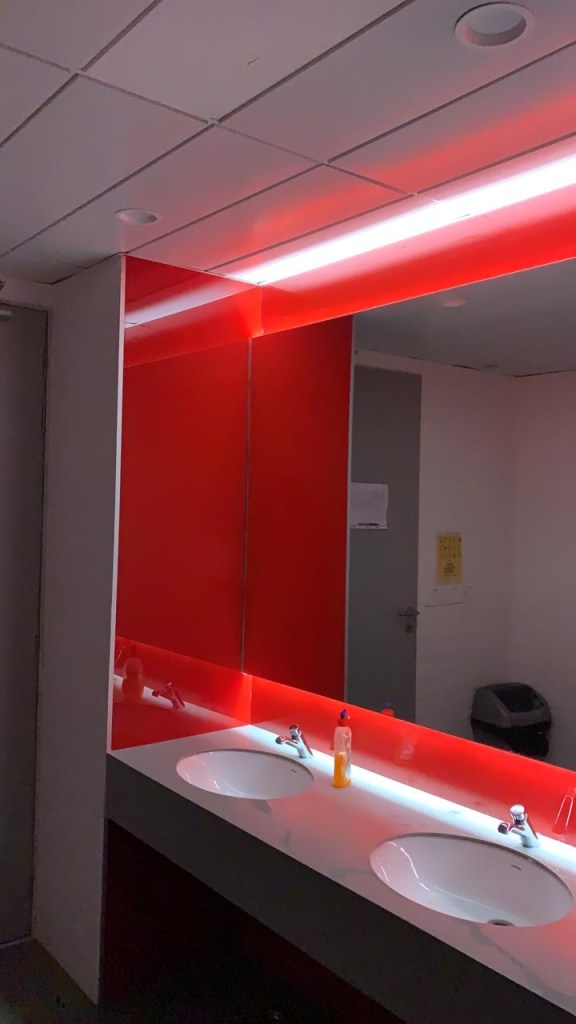
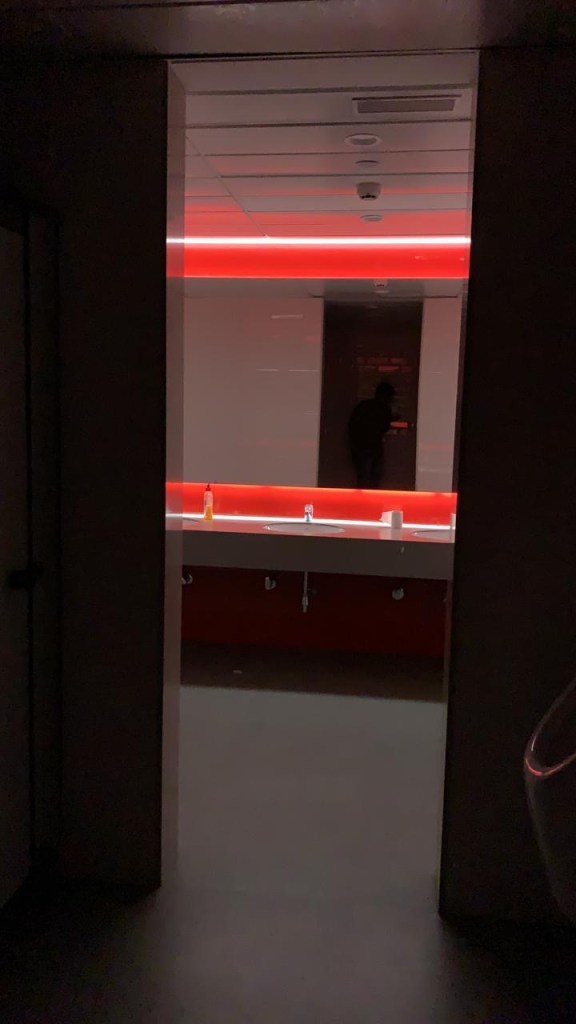
Today we also came across a space in our college which we discussed in class. We saw how light is transmitted, reflected and absorbed. In most areas light was reflecting because of the material which was used in the washroom. The red tile when light falls on it, it reflects the colour red because of the colour. The white tile, on the sides of the walls which is in the shape of the rectangles has grooves in the middle transmits light on the area of the grooves. The ceiling has tiles with a matt finish which does not reflect light as much as it reflects with the tiles on the walls.
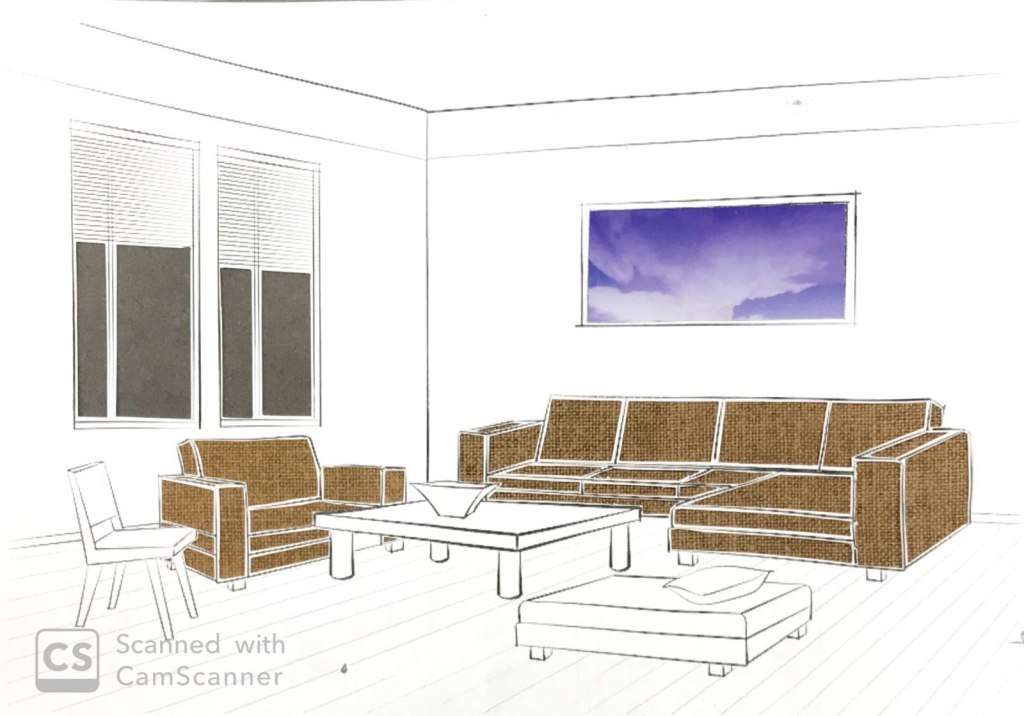
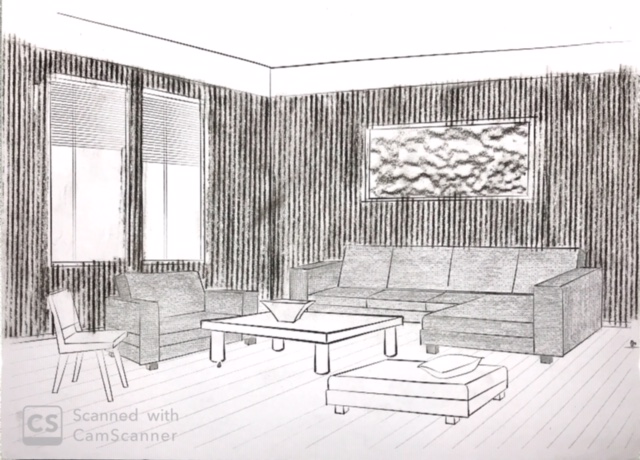
Last week since we did a small exercise on finding the 20 textures, this week we took up assignments which were taken to a new level. Fitting it on paper itself was a task. There were many repairs and retry’s especially finding a texture which would fit in scale.
 Cyclic Quotidian